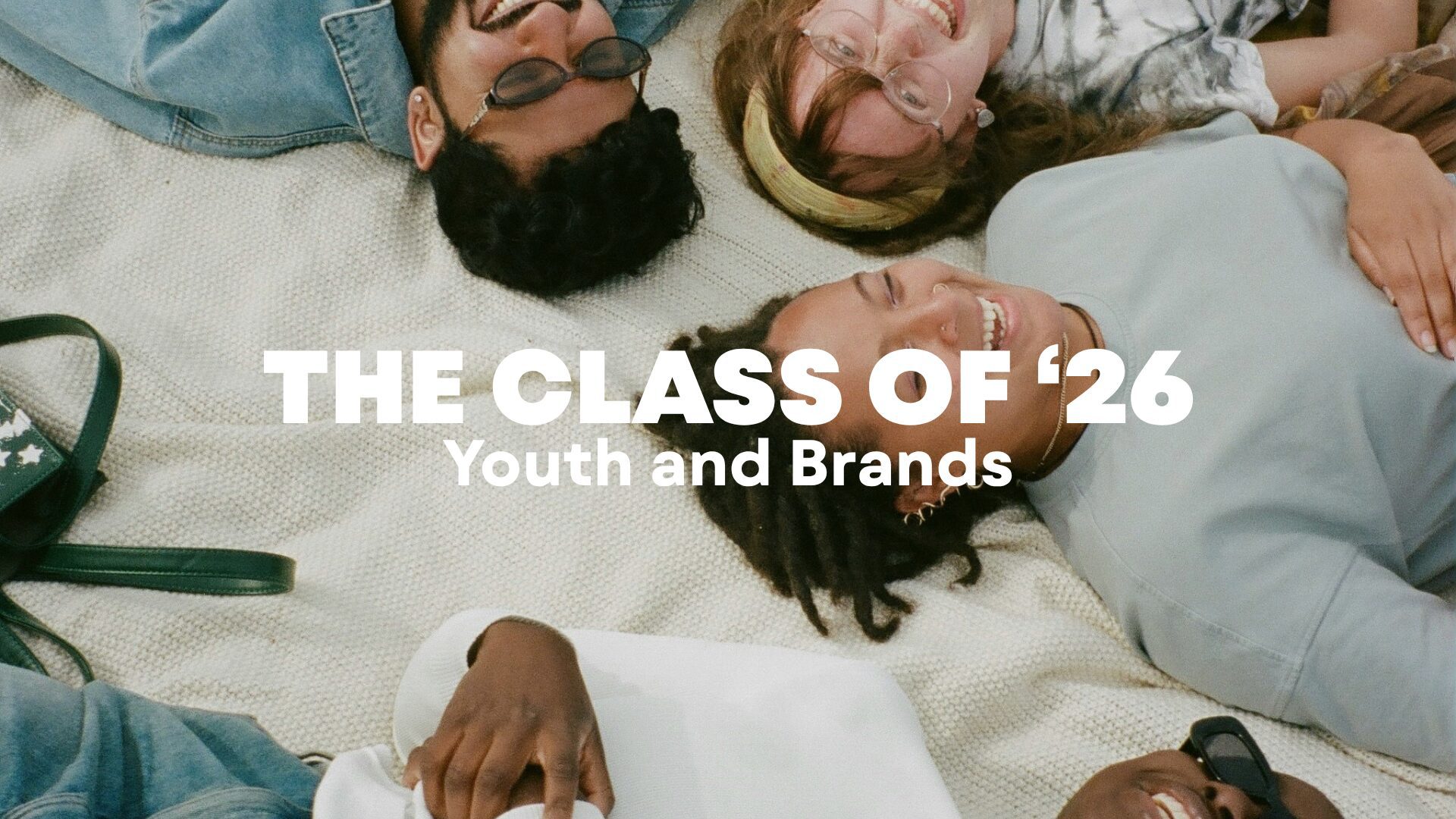
Youth, a stage of life defined by energy, curiosity and possibility.
In South Africa, however, the word carries a far deeper meaning. It evokes the memory of young people who stood up against one of the most powerful governments in history. A lot has changed since then, but one thing remains true: young people are still a formidable force, especially in the world of advertising.
In the industry, youth are often labelled a collection of stereotypes. They are labelled as a generation with short attention spans. A demographic with little brand loyalty. Digital natives who practically live online. And perhaps the most common assumption of all, a group obsessed with instant gratification.
But the more things change, the more they stay the same. Today’s youth, much like the generations before them, are still widely misunderstood.
Take the idea of short attention spans. This is a generation that tuned in by the millions to watch literal ice melt on a livestream, all to reveal the release date of Drake’s album. The issue is not that they cannot pay attention; it is that they choose carefully what deserves it.
Then there is the myth that young people are not loyal to brands. We are talking about the very audience that believe in stan culture, communities built on unwavering devotion to the artists, creators and products they love. When youth connect with something authentically, they do not just support it; they champion it.
And yes, they are habitually online. But that should not be mistaken for idleness. For one of the most economically challenged demographics, the internet is more than entertainment. It is a marketplace, a networking platform, a classroom, and a job board. It is where businesses are launched, communities are formed, and opportunities are discovered.
The students of 1976 were not fighting against education itself. They were fighting against the way it was delivered, the quality of that education, and the language through which it was imposed upon them.
In a far less profound but similar way, the youth of 2026 are not rejecting brands. They are pushing back against how brands choose to communicate with them.
Connection takes more than dropping a few trendy phrases like “Hola bafethu” or “secure the bag” into a script. Young people can spot performative marketing instantly. They do not want brands that mimic their language; they want brands that understand their realities, respect their aspirations and show up consistently.
They are incredibly diverse across language, income, geography, interests and values. A university student in Braamfontein does not consume media in the same way as a young entrepreneur in Mamelodi or a gamer in Durban. Before brands attempt to speak to the youth, they must first decide which youth they are trying to reach.
And perhaps that is the real lesson.
The best way to capture young people’s attention is not to perform in front of them. It is to listen to them.
Listen to what they care about.
Listen to what they are building.
Listen to what they are challenging.
Listen to what they hope to become.